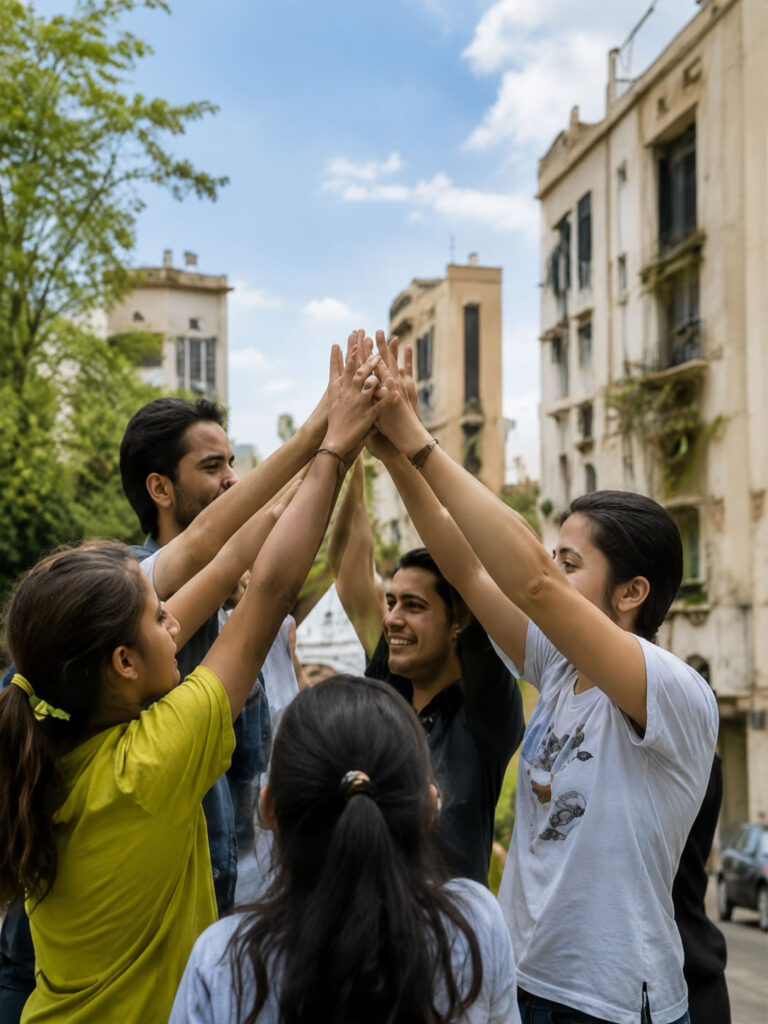
The first pillar is Social Equity. Beirut must be a city where everyone has the right to live with dignity, access public spaces, participate in community life, and benefit from urban improvements. A future Beirut cannot leave people behind.
The second pillar is Economic Resilience. The city needs an economy that supports innovation, local businesses, job creation, and sustainable investment. Economic growth should create shared value, not only private benefit.
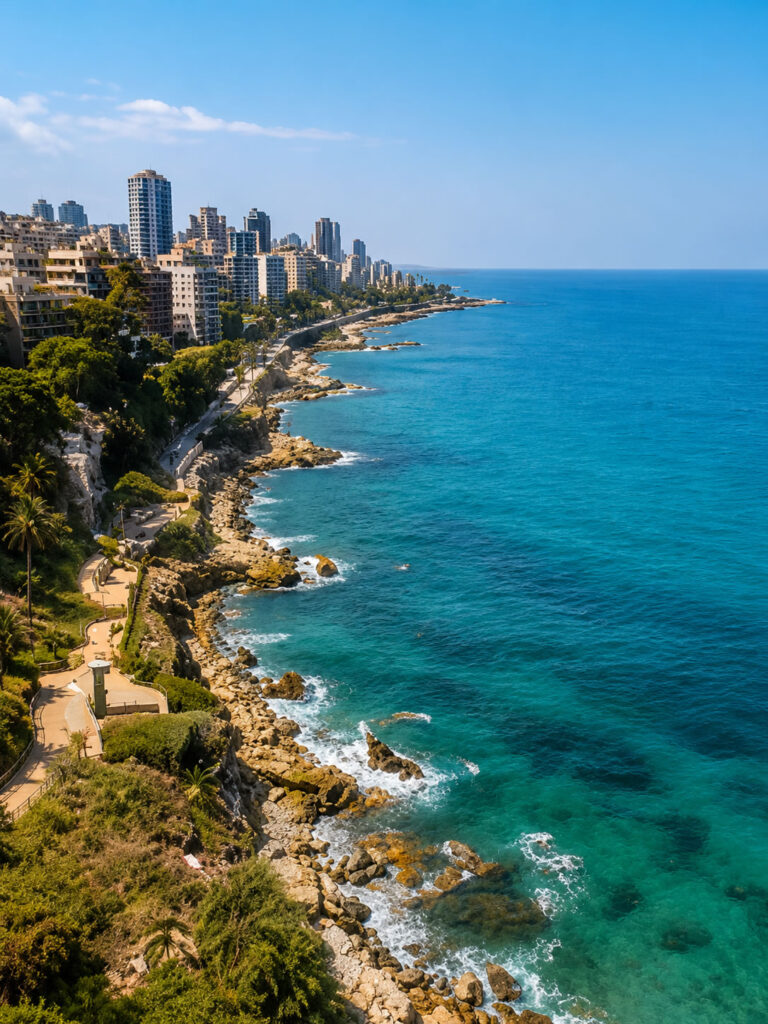
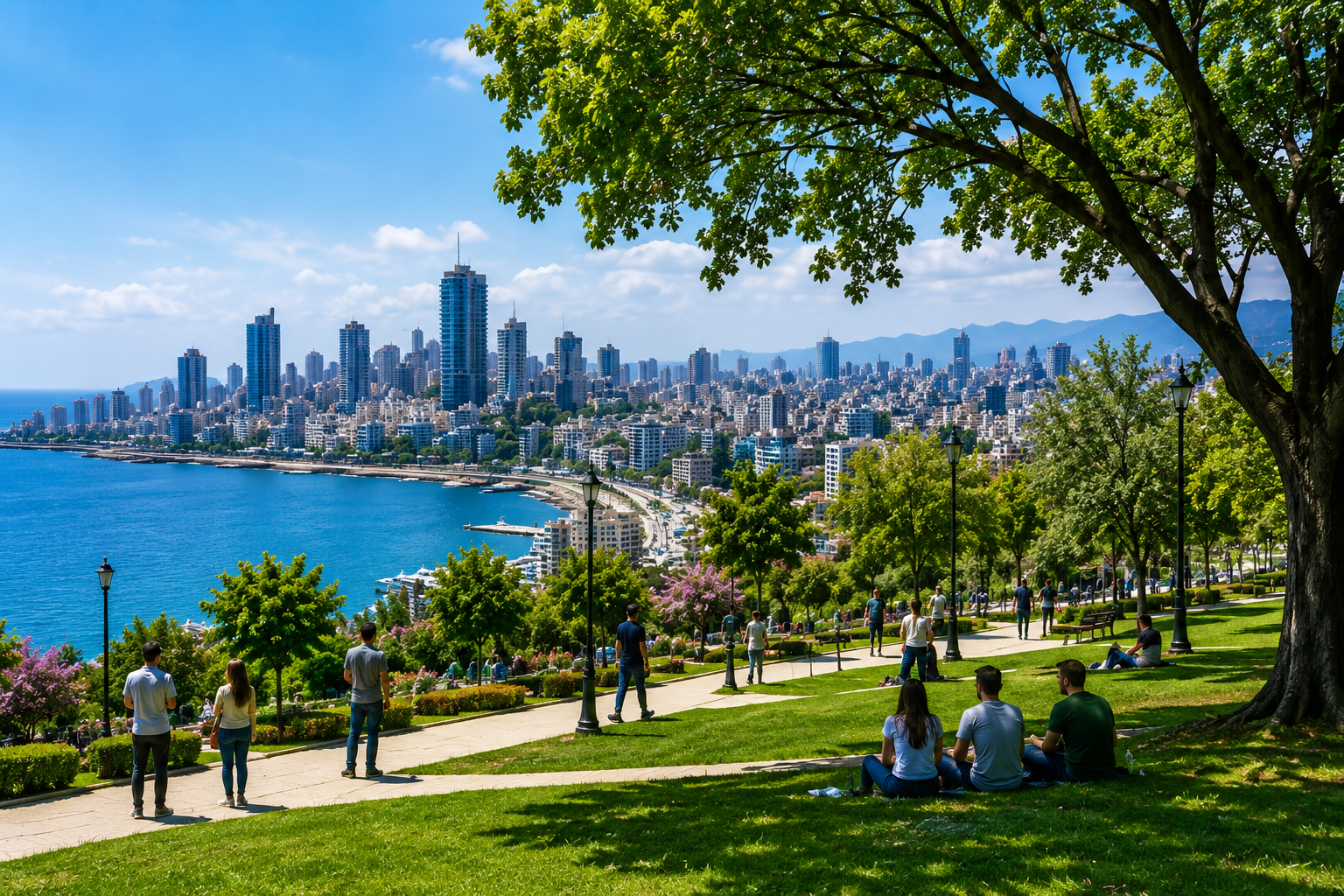
The third pillar is Environmental Stewardship. Beirut’s natural resources, trees, coastline, biodiversity, and public spaces must be protected and restored. A city that ignores nature weakens its own future.
The fourth pillar is Climate Resilience. Beirut must be better prepared for heat, storms, water stress, pollution, and other climate-related risks. Resilience means planning before disasters happen, not only responding after damage is done.
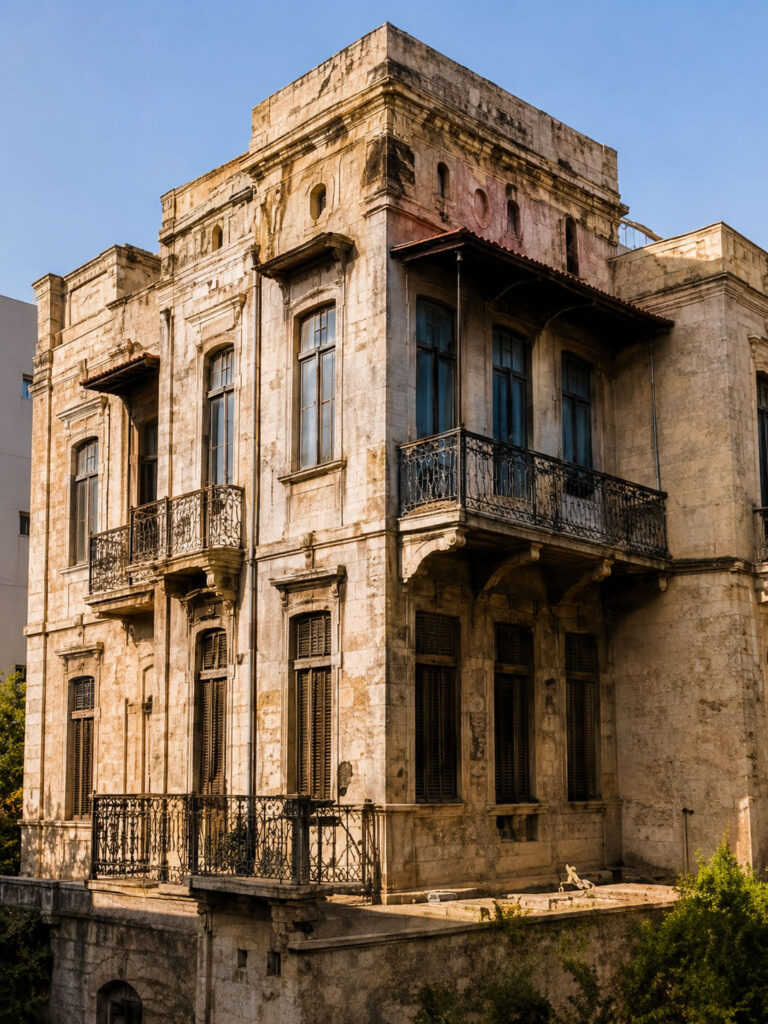
The fifth pillar is Cultural Heritage. Beirut’s identity is shaped by its architecture, neighborhoods, stories, traditions, and public memory. Protecting heritage is not about freezing the city in the past; it is about carrying its identity into the future.
The sixth pillar is Governance and Participation. People must be part of the decisions that shape their city. Transparent governance, open dialogue, and citizen participation are essential for trust and long-term success.
Together, these six pillars create a balanced framework for action. They remind us that Beirut’s future is not only about physical development. It is about justice, resilience, identity, nature, opportunity, and shared responsibility.